







The Arun S. Mujumdar Medal: A Chronological Retrospective of Excellence in Drying Research and Mentorship
Introduction to the Global Drying Community and the Medal
Thermal dehydration, universally referred to as drying, remains one of the most ubiquitous, energy-intensive, and thermodynamically complex unit operations across the spectrum of industrial engineering. Foundational to sectors ranging from agricultural processing and food preservation to pharmaceuticals, pulp and paper, biomass bioenergy, and advanced materials manufacturing, drying fundamentally dictates final product quality, biochemical stability, shelf life, and operational economic viability. In developed economies, thermal drying accounts for an astonishing 10% to 20% of total national industrial energy consumption1. Despite its ancient origins and massive energy footprint, the scientific rigor applied to drying—transitioning from empirical folklore and heuristic trial-and-error to precise, predictive transport phenomena—is a relatively modern achievement2. This paradigm shift has been driven largely by a dedicated, interconnected global network of chemical, mechanical, and agricultural engineers over the past five decades.
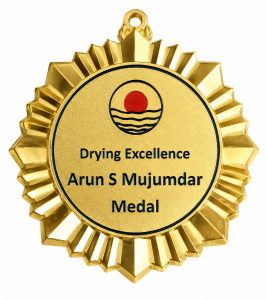
The highest echelon of recognition within this international scientific community is the Arun S. Mujumdar Medal for Excellence in Drying Research and Mentorship4. Instituted in 2007 by the former students, research associates, and global colleagues of Professor Arun S. Mujumdar, this prestigious award recognizes individuals who have made extraordinary lifetime contributions to research and development in drying science and technology4. Beyond pure scientific output, the medal strictly requires its laureates to demonstrate distinguished mentorship of junior researchers and exceptional professional service to the global scientific community4. The creation of the medal addresses a systemic issue in academia: the singular focus on research output often discourages the vast, thankless service components—such as peer review, editorial leadership, and meticulous mentorship—that are critical for a subdiscipline to exist and thrive7.
Medal recipients are historically selected by a highly distinguished committee, which has recently been formalized into a fixed five-year composition including Dr. Guohua Chen (Chair), Dr. Sakamon Devahastin, and Dr. Arun S. Mujumdar, supported by a secretariat managed by Dr. Sachin V. Jangam and Dr. Shivanand S. Shirkole4. The award is traditionally presented at major regional and international conferences, including the International Drying Symposium (IDS) and the Asia-Pacific Drying Conference (ADC)4. Due to the global disruptions of the COVID-19 pandemic, conferring events were temporarily suspended, resulting in a unique virtual mini-symposium in 2022 to honor the 2020–2021 cohort4.
The Architect of Modern Drying Science: Professor Arun S. Mujumdar
To comprehend the profound prestige of the medal, one must understand the legacy of its namesake. Professor Arun S. Mujumdar, universally acknowledged across academic and industrial spheres as the “Drying Guru,” is the foundational pillar of the modern, interdisciplinary drying research community4. Educated at the University of Mumbai (formerly UDCT) and subsequently earning his Ph.D. in chemical engineering at McGill University under the guidance of Professor W. J. M. Douglas, Professor Mujumdar’s career spans multiple continents, primarily anchored at McGill University (Canada) and the National University of Singapore (NUS)7.
Professor Mujumdar is the undisputed world leader in archival literature contributions to the field of drying. His unparalleled academic footprint includes over 550 journal publications with more than 40,000 citations, and authorship or editorship of over 70 books, including multiple enhanced editions of the seminal Handbook of Industrial Drying7. By December 2013, Scopus data indicated he had published 304 peer-reviewed papers specifically on basic and applied topics in drying since 197710. His research has traversed an incredibly diverse array of drying technologies, including impingement dryers, vibrated beds, spouted beds, heat-pump dryers, pulse combustion drying, and superheated steam applications9.
However, his legacy extends far beyond his own computational fluid dynamics and transport phenomena research. In 1978, he founded the International Drying Symposium (IDS) series, creating the first sustained, dedicated global forum for disseminating drying science11. This initiative birthed a global movement, spawning numerous regional sister conferences such as the Asia-Pacific Drying Conference (ADC), the Nordic Drying Conference (NDC), and the Inter-American Drying Conference (IADC)4. Furthermore, his multidecade tenure as Editor-in-Chief of Drying Technology—An International Journal elevated the publication to the premier repository of peer-reviewed drying literature worldwide7.
Professor Mujumdar’s philosophical approach to engineering is uniquely holistic. He is a staunch advocate for “whole-brain thinking,” emphasizing that the highly analytical, left-brain activities of scientific research must be actively balanced with the creative, imaginative right-brain activities of the arts to foster true, paradigm-shifting innovation8. He practices this philosophy through his extensive work in watercolor painting and Chinese ink drawing, demonstrating that artistic expression can alleviate academic stress, “domesticate creativity,” and stimulate non-linear problem-solving in engineering transport phenomena8.
His commitment to globalization, capacity building, and cross-border mentorship has resulted in honorary professorships worldwide. In 2014, the Chinese government awarded him the National Award for International Cooperation in Science and Technology, followed by the Friendship Award—the highest honor bestowed upon foreign nationals—presented by the Deputy Prime Minister in the Great Hall of the People10. The medal bearing his name serves as a continuum of this philosophy, rewarding those who emulate his dedication to scientific excellence, transnational cooperation, and human capital development.
Chronological Analysis of the Laureates
The chronological progression of the Arun S. Mujumdar Medal awardees traces the evolutionary arc of drying science over the past two decades. The laureates represent a geographic and disciplinary mosaic, illustrating how drying technology has transitioned from foundational macro-scale thermodynamics into increasingly specialized, intelligent, and multiscale domains.
The Inaugural Era (2007–2009): Establishing the Theoretical Foundation
The inaugural period of the medal honored the foundational figures who built the mathematical, mechanical, and thermodynamic frameworks of modern drying, effectively transforming it from an industrial art into a rigorous science.
The first recipient, awarded at the 5th ADC in 2007 in Hong Kong, was Professor Czeslaw Strumillo of the Lodz University of Technology, Poland5. Professor Strumillo is universally considered the founder of the Polish scientific school of drying processes17. His pioneering research in the 1960s and 1970s extended heat and mass transfer mechanisms into complex unit operations, analyzing fluidization, vibro-fluidization, and contact-sorption methods16. By examining the mechanisms of drying processes in disperse systems using the on-line analysis of atomized liquids, he provided early insights into the degradation of biomaterials16. He was instrumental in supporting Professor Mujumdar’s launch of the IDS in 1978 and heavily influenced the European Federation of Chemical Engineering’s Working Party on Drying16.
In 2008, at the IDS in France, Professor Michel Roques from the Université de Pau et des Pays de l’Adour received the honor4. Professor Roques fundamentally advanced the Eulerian modeling of internal transport (mass, momentum, and energy) during convective drying of two-phase deformable media18. Drying highly saturated, deformable media—such as foodstuffs and clay—inevitably leads to shrinkage, which historically confounded rigid mathematical models18. By utilizing the volume-averaging method to homogenize the classical equations of continuum mechanics at the phase scale, Professor Roques’s work allowed for precise, dynamic predictions of physical deformation, stress, and mass transfer in shrinking porous materials18.
The year 2009 witnessed an unprecedented global focus on drying R&D, playfully described by Professor Mujumdar as a “tsunami of drying symposia,” resulting in four medals being awarded globally20. Professor W. J. M. Douglas of McGill University, Canada, was honored at the IADC 20094. As the doctoral advisor to Professor Mujumdar, Professor Douglas was a pioneer in through-air drying and impingement heat transfer, specifically tailored for the pulp and paper industry9. His investigations into superheated steam drying demonstrated that drying in superheated vapor, as opposed to conventional hot air, could produce a better-bonded, stronger paper sheet with a lower scattering coefficient and improved surface properties22. Crucially, this hybrid cycle of superheated steam impingement offered massive potential for energy recovery, addressing the intense energy demands of paper manufacturing22.
At the NDC 2009, Professor Trygve M. Eikevik of the Norwegian University of Science and Technology (NTNU) was recognized5. Professor Eikevik’s specialization lies at the nexus of heat pump drying technology and advanced refrigeration24. His pioneering work utilizing natural refrigerants—such as CO2 in transcritical cycles—for industrial heat pumps drastically reduced the carbon footprint of drying operations while allowing for high-temperature heat sinks24. Furthermore, his work in superchilling and atmospheric freeze-drying revolutionized the preservation of biological tissues, marine products, and pharmaceuticals25. By adapting heat pump technologies originally developed for drying salt cod, his group demonstrated that drying tissue samples at atmospheric pressure near 0°C preserved RNA molecules just as effectively as ultra-low temperature liquid nitrogen freezing, offering massive cost and energy savings for global biobanks26.
Professor Stefan Jan Kowalski of the Poznan University of Technology, Poland, received the medal at PDS 20094. A master of applied mechanics, Professor Kowalski developed drying theory strictly in terms of thermo-mechanics27. He introduced the use of acoustic emission methods for monitoring drying processes and detecting the nascent development of stress cracks in real-time27. His later work focused heavily on hybrid drying methods, combining convective drying with microwave and airborne ultrasound assistance28. He proved that the mechanical vibration effects induced by power ultrasound could dramatically accelerate intra-particle mass transfer without significantly elevating the product’s internal temperature, thereby preserving the nutritional quality (e.g., niacin and phenolic content) of delicate biological materials like fruits, vegetables, and rough rice28.
Rounding out 2009 at the ADC in Bangkok, Professor Somchart Soponronnarit of King Mongkut’s University of Technology Thonburi, Thailand, was awarded4. As a leading figure in Southeast Asian agricultural engineering, his extensive work on fluidization and the drying kinetics of tropical grains and fruits played a vital role in food security20. His research provided the technical backbone for the commercialization of post-harvest technologies in developing economies, ensuring that high-moisture tropical harvests could be stabilized efficiently to prevent catastrophic spoilage20.
Global Expansion and Deepening Specializations (2010–2015)
As the award entered its second decade, the laureates increasingly focused on high-value particulate systems, complex food matrices, and the integration of computational algorithms into operational design.
Professor G. S. V. Raghavan (Distinguished James McGill Professor at McGill University, Canada) received the medal at IDS 20104. Professor Raghavan’s vast body of work encompasses electro-technologies, microwave-assisted extraction, and post-harvest storage32. By leveraging microwave and radio-frequency heating modalities, he optimized the dehydration of heat-sensitive biological products32. His engineering research was inextricably linked to global humanitarian efforts; he directed multiple CIDA-funded projects transferring expertise in electro-technologies and post-harvest food security protocols to southern India, China, and South America, bridging the gap between high-level engineering and rural agricultural resilience32.
At ADC 2011 in Tianjin, Professor Chongwen Cao of China Agricultural University was recognized for his immense contributions to grain drying modeling4. Professor Cao recognized the limitations of traditional mathematical modeling methods when applied to non-linear biological systems. Consequently, he developed sophisticated counter-flow grain dryer models utilizing Artificial Neural Networks (ANN) and back-propagation algorithms early in the computational era36. His fractal modeling and computational simulations of heat transfer, moisture distribution, and stress crack development in deep-bed corn and wheat storage bins provided the necessary engineering framework to safely scale agricultural storage logistics in a rapidly modernizing China37.
Professor Roger Brian Keey of the University of Canterbury, New Zealand, was awarded at IDS 20124. Professor Keey was a titan of fundamental drying theory, highly regarded for his 1972 monograph Drying Principles and Practice and his subsequent texts on particulate materials2. He was the foremost proponent of the Characteristic Drying Curve (CDC) concept2. The CDC normalized drying rates against varying external conditions, cutting through the widespread empirical “folklore” of the time2. By establishing that diverse materials exhibit a characteristic, predictable decline in drying rate regardless of specific external fluid dynamics, his theoretical framework provided a robust, highly pragmatic tool for industrial engineers globally, optimizing the drying of timber, milk powders, and ceramics2.
In 2014, the medal went to Professor José Teixeira Freire of the Federal University of Sao Carlos, Brazil4. Professor Freire is a global authority on the fluid dynamics of particulate systems, particularly spouted bed and vibro-fluidized bed drying42. His research applying Artificial Neural Networks and computational fluid dynamics (CFD) allowed for the precise prediction of residence time distributions, heat transfer, and complex hydrodynamic behavior in packed and spouted beds42. This allowed for the highly controlled drying of challenging non-Newtonian materials, such as orange juice solid waste pastes, suspensions, pharmaceutical products, and low-sphericity biomass particles, overcoming significant industrial scaling limitations42.
Professor Min Zhang of Jiangnan University, China, received the medal at ADC 20154. Professor Zhang pushed drying into the realm of artificial intelligence and sensory bionics44. His research integrates electronic noses, computer vision, and Low-Field Nuclear Magnetic Resonance (LF-NMR) to create intelligent detection equipment capable of monitoring quality deterioration and spatial moisture migration in real-time during the drying process44. By analyzing the transverse relaxation time in NMR, his systems can actively adjust thermodynamic parameters to prevent cellular degradation. He is also a pioneer in microwave freeze-drying and 3D food printing, aligning classical drying with advanced additive manufacturing44.
Advancing High-Value Processing and Biomass Energy (2016–2019)
The late 2010s saw the medal recognizing scholars who solved critical bottlenecks in volatile compound encapsulation and the global transition to renewable bioenergy.
Professor Hidefumi Yoshii from Setsunan University (and Emeritus Professor at Kagawa University), Japan, was honored at IDS 20166. His profound contributions center on the microencapsulation of highly volatile and oxidatively unstable compounds—such as d-limonene, fish oil, and polyunsaturated fatty acids (PUFAs)—via spray drying48. Professor Yoshii established kinetic models to predict oxidation and flavor release based on the surface-to-oil ratio and the oil-droplet diameter48. He demonstrated how modified starches, cyclodextrins, and Saccharomyces cerevisiae function as wall materials, heavily influencing the retention of functional bioactives under varying thermodynamic states and water activities, enabling the proliferation of functional foods and nutraceutical powders49.
At ADC 2017, Professor Xiao Dong Chen of Soochow University, China, was awarded the medal4. Professor Chen’s revolutionary contribution is the Single Droplet Drying (SDD) technique utilizing the glass-filament method53. In industrial spray drying, observing the kinetics of individual droplets within a turbulent cloud is practically impossible. By suspending a single droplet on a glass filament and precisely monitoring its morphological changes, skin formation, and drying kinetics under controlled convective conditions, his work bridged the gap between microscopic particle formation and macroscopic industrial scaling53. This allowed for exact predictions regarding powder agglomeration, segregation, wetting behavior, and dissolution kinetics for the global dairy and pharmaceutical industries, particularly elucidating the interactions between surfactants and milk proteins during shell formation53.
The year 2018 saw two recipients at IDS Valencia: Professor Shahab Sokhansanj and Professor Evangelos Tsotsas4. Professor Sokhansanj (University of British Columbia, Canada) is a preeminent figure in biomass engineering56. He developed the Integrated Biomass Supply Analysis & Logistics (IBSAL) model, a dynamic simulation environment combining GIS spatial data, operations research, and transport phenomena to optimize the supply chain of cellulosic biomass56. His detailed analyses of the devolatilization, drying mechanisms, and self-heating/combustion risks of wood pellets during storage have been essential to the safe and economical transition toward renewable solid biofuels56. Professor Tsotsas (Otto-von-Guericke University, Germany) is celebrated for his sophisticated multiscale modeling approaches6. By combining pore-network models, discrete element methods, and macroscopic heat and mass transfer algorithms, Professor Tsotsas has significantly advanced the predictive capabilities for drying porous media and particulate matter, seamlessly connecting the morphological structure of a material at the microscale to its final dried quality59.
In 2019, Professor Timothy A. G. Langrish of the University of Sydney, Australia, received the medal at ADC 20196. Professor Langrish’s extensive work on spray drying and crystallization focuses on the complex interactions between fluid mechanics and solid-state transitions41. His optimization models for minimizing wall deposition in spray dryers, coupled with his deep analyses of moisture movement and characteristic drying curves in timber and powders, have dramatically improved the industrial yield of engineered particulates3.
The Pandemic Resiliency and Virtual Mini-Symposium (2020–2021)
Due to the COVID-19 pandemic causing widespread conference cancellations, a special virtual Mini-Symposium was held in April 2022 to honor the four 2020–2021 recipients simultaneously, reflecting the global community’s resilience4.
Professor Antonello Barresi of Politecnico di Torino, Italy, was recognized for his transformative research in the freeze-drying (lyophilization) of pharmaceuticals4. Professor Barresi advanced the application of the Quality by Design (QbD) approach to drug manufacturing, utilizing Model Predictive Control (MPC) techniques to optimize in-line primary drying steps while rigorously preserving product stability4. His multiphase system modeling allowed for seamless process transfer and scale-up from laboratory micro-freeze-dryers to industrial manufacturing lines6.
Professor Takeshi Furuta of Tottori University, Japan, shared the honor4. Working closely on microencapsulation, his mathematical models for predicting the diffusion mechanisms of both flavor and water within capsule matrices provided critical insights into how glass transition temperatures and structural integrity influence the oxidative stability of functional foods52.
Professor Tadeusz Kudra, formerly of Dalhousie University and CANMET, Canada, was acknowledged for his lifelong dedication to advanced drying technologies4. Co-author of the seminal text Advanced Drying Technologies with Professor Mujumdar, Dr. Kudra pioneered investigations into highly novel hybrid systems, including electrohydrodynamic (EHD) drying, refractance window drying, mechanical thermal expression, and microwave-vacuum integration, constantly pushing the boundaries of non-conventional energy applications to overcome the thermodynamic limitations of convective heat transfer6.
Professor Zhanyong Li of Tianjin University of Science and Technology, China, completed the 2020-2021 cohort4. Professor Li’s research expertly merges drying with environmental remediation68. He explored the complex gas flow, flame structure, and specific impulse dynamics of Helmholtz-type valveless pulse combustors, applying these highly turbulent environments to the spray drying of egg whites and sludge69. Furthermore, his innovative work on the immersion fry-drying of municipal sewage sludge using spent cooking oil demonstrated a circular-economy approach, rapidly converting hazardous biological waste into highly porous solid fuels with superior calorific values68.
The Modern Era (2022–2025): Nanotomography, Sludge Dewatering, and Scaling
Professor Patrick Perré of CentraleSupélec, Université Paris-Saclay, France, received the medal at IDS 20225. Professor Perré has revolutionized the hygro-thermal characterization of bio-based building materials, mycelium biocomposites, and solid wood19. Through extreme multiscale modeling—bridging the cellular scale via X-ray nanotomography and FFT-based numerical simulations up to the macroscopic board—he provided synthetic indicators of mass loss during torrefaction and highly accurate physical and mechanical models to predict drying-induced stress fields, preventing catastrophic material failure during intense processing19.
At IDS 2024, the medal was awarded to Professor Duu-Jong Lee of City University of Hong Kong and National Taiwan University5. Professor Lee’s work focuses intensely on microscale heat and mass transfer within complex biological matrices and circular bioeconomies72. His evaluation of bond strengths, bound water, and intra-cake friction loss during the consolidation and centrifugal dewatering of activated sludge reshaped municipal wastewater treatment protocols75. By defining the ternary expression stages of highly compactable biosolids, he optimized the energy efficiency of dewatering devices. Furthermore, his recent work on aerobic granular sludge, bouncing dynamics of sessile nanodroplets, and biochar aligns drying research directly with global carbon-zero initiatives72.
The most recent laureate, announced for the joint ADC/CDC 2025, is Professor Xiangdong Liu of China Agricultural University5. Professor Liu represents the zenith of academic-industrial symbiosis5. His fundamental research unraveled the mechanisms of mass transfer in mesoporous plant materials5. By providing extensive, long-term consulting to equipment manufacturers across continents, he systematically improved the energy sustainability and operational efficiency of commercial agricultural dryers, centrifuges, and food processing machinery5. His leadership in the Chemical Industry and Engineering Society of China, and as Chief Editor of the comprehensive reference Modern Drying Technology, continues to facilitate vital global technology exchanges5.
Comprehensive Matrix of Arun S. Mujumdar Medal Awardees
| Year | Recipient Name | Institutional Affiliation | Conferring Event | Primary Domain of Research / Contribution |
| 2007 | C. Strumillo | Lodz Technical University (Poland) | ADC 2007 | Heat/mass transfer, vibro-fluidization, Polish drying theory4. |
| 2008 | M. Roques | Univ. de Pau et des Pays de l’Adour (France) | IDS 2008 | Eulerian modeling, drying of deformable and saturated media4. |
| 2009 | W. J. M. Douglas | McGill University (Canada) | IADC 2009 | Impingement and through-air drying, superheated steam in paper4. |
| 2009 | T. Eikevik | Norwegian Univ. of Sci. and Tech. (Norway) | NDC 2009 | Heat pump drying, CO2 refrigerants, atmospheric freeze-drying4. |
| 2009 | S. J. Kowalski | Poznan University of Technology (Poland) | PDS 2009 | Thermo-mechanics, acoustic emission monitoring, hybrid US/MW drying4. |
| 2009 | S. Soponronnarit | King Mongkut’s Univ. of Tech. (Thailand) | ADC 2009 | Agricultural processing, grain fluidization, Southeast Asian food security4. |
| 2010 | G. S. V. Raghavan | McGill University (Canada) | IDS 2010 | Electro-technologies, MW/RF drying of heat-sensitive biomaterials4. |
| 2011 | C. Cao | China Agricultural University (China) | ADC 2011 | Counter-flow grain drying models, ANN integration, stress crack simulations4. |
| 2012 | R. Keey | University of Canterbury (New Zealand) | IDS 2012 | Fundamental drying theories, Characteristic Drying Curve (CDC)2. |
| 2014 | J. T. Freire | Federal University of Sao Carlos (Brazil) | IDS 2014 | Particulate systems, spouted beds, vibro-fluidized pharmaceutical drying4. |
| 2015 | M. Zhang | Jiangnan University (China) | ADC 2015 | LF-NMR smart detection, bionics, microwave freeze-drying, 3D printing4. |
| 2016 | H. Yoshii | Setsunan University (Japan) | IDS 2016 | Microencapsulation, flavor retention kinetics, PUFA oxidative stability6. |
| 2017 | X. D. Chen | Soochow University (China) | ADC 2017 | Single Droplet Drying (SDD) technique, particle agglomeration engineering4. |
| 2018 | S. Sokhansanj | University of British Columbia (Canada) | IDS 2018 | Biomass densification, IBSAL logistics modeling, pellet thermodynamics4. |
| 2018 | E. Tsotsas | Otto von Guericke University (Germany) | IDS 2018 | Multiscale modeling, pore-network mechanics, thermal process engineering4. |
| 2019 | T. A. G. Langrish | University of Sydney (Australia) | ADC 2019 | Spray drying, powder crystallization, wall deposition minimization6. |
| 2020 | A. Barresi | Politecnico di Torino (Italy) | Mini-Symp. | Pharmaceutical freeze-drying, Quality by Design, Model Predictive Control4. |
| 2020 | T. Furuta | Tottori University (Japan) | Mini-Symp. | Droplet drying mathematics, flavor diffusion, glass transition dynamics4. |
| 2020 | T. Kudra | Dalhousie University (Canada) | Mini-Symp. | Advanced, non-conventional drying (EHD, refractance window)4. |
| 2020 | Z. Li | Tianjin Univ. of Sci. and Tech. (China) | Mini-Symp. | Pulse combustion drying, frying-drying of municipal sewage sludge4. |
| 2022 | P. Perré | Univ. Paris-Saclay / CentraleSupélec (France) | IDS 2022 | X-ray nanotomography, hygro-thermal modeling of wood and bio-materials5. |
| 2024 | D. J. Lee | City Univ. of HK / National Taiwan Univ. | IDS 2024 | Microscale heat/mass transfer, aerobic granular sludge, dewatering kinetics5. |
| 2025 | X. D. Liu | China Agricultural University (China) | ADC/CDC 2025 | Mass transfer in mesoporous plants, industrial equipment energy scaling5. |
(Note: The 2020/2021 recipients were awarded during a virtual mini-symposium in 2022 due to the logistical constraints of the COVID-19 pandemic4.)
Overarching Themes and Third-Order Implications
Analyzing the collective outputs of the Arun S. Mujumdar Medal recipients yields profound insights into the meta-trajectory of global process engineering. The research recognized over the past two decades does not merely catalog incremental improvements; it charts a distinct paradigm shift across three primary vectors.
From Empirical Observation to Multiscale Computational Precision
Early industrial drying relied heavily on bulk empirical testing and macroscopic assumptions. The work of early laureates like Roger Keey, who championed the Characteristic Drying Curve, and Czeslaw Strumillo provided the initial mathematical scaffolding to rationalize these empirical observations, bringing order to what was previously considered “folklore”2. However, recent laureates have pushed the boundaries into extreme microscopic precision. Xiao Dong Chen’s Single Droplet Drying isolates the physics of a single particle to accurately predict the massive, turbulent agglomerations within industrial spray-dryers53. Concurrently, researchers like Patrick Perré and Evangelos Tsotsas utilize X-ray nanotomography, Fast Fourier Transform numerical simulations, and pore-network modeling to understand how water navigates the microscopic cellular architecture of wood and biological tissues59. This transition from macro-scale averages to multiscale, phase-level deterministic modeling—as initiated by Michel Roques’s volume-averaging methods—signifies a maturation of the field, allowing engineers to predict final product morphology and stress fracture development purely in silico18.
The Integration of Cyber-Physical Systems and Bionics
The intersection of advanced data processing and thermal dehydration is an inescapable trend recognized by the medal committee. Early models by Chongwen Cao utilizing Artificial Neural Networks to control counter-flow grain dryers paved the way for modern, algorithm-driven predictive controls36. Today, Antonello Barresi employs Model Predictive Control in pharmaceutical lyophilization to guarantee drug efficacy in real-time, eliminating the need for destructive post-batch testing64. Perhaps most radically, Min Zhang’s integration of “sensory bionics” (electronic noses) and Low-Field Nuclear Magnetic Resonance transforms the dryer from a passive heating chamber into an intelligent, responsive robotic entity44. These systems actively analyze the transverse relaxation time of water molecules, autonomously adjusting thermodynamic parameters to prevent cellular degradation in sensitive foods44. This implies that the future of drying lies not just in mechanical engineering, but in machine learning and active feedback loops.
Thermodynamics as a Pillar of the Circular Bioeconomy
Drying operations traditionally consume up to 20% of national industrial energy in developed nations, presenting a massive obstacle to carbon neutrality1. The laureates’ research reveals a systematic crusade to decouple moisture removal from greenhouse gas emissions. Trygve Eikevik’s implementation of transcritical CO2 heat pumps reclaims latent heat that would otherwise be exhausted to the atmosphere, proving that high-temperature process heat can be generated without fossil fuels24. Duu-Jong Lee and Zhanyong Li have turned their attention to municipal and agricultural waste, proving that the energetic dewatering and immersion fry-drying of sewage sludge can yield high-calorific biofuels, effectively closing the loop on municipal waste management68. Furthermore, Shahab Sokhansanj’s logistical algorithms for biomass densification prove that moisture management is the central economic hurdle in replacing coal with cellulosic bioenergy56. Consequently, drying research is no longer solely about product quality; it is a frontline discipline in global climate change mitigation and resource recovery.
Synthesis and Future Outlook
The Arun S. Mujumdar Medal for Excellence in Drying Research and Mentorship is far more than a lifetime achievement award. As chronicled through its twenty-three laureates spanning from 2007 to 2025, the medal serves as a historical ledger of how chemical and process engineering has evolved. By demanding that its recipients exhibit not only exceptional scientific acumen but also a profound commitment to global mentorship and community service, the award ensures the perpetual regeneration of intellectual capital in the field4.
From the thermodynamic fundamentals laid down in Poland and New Zealand to the cutting-edge bionic and computational models currently emerging from China and France, the legacy of the “Drying Guru” remains brilliantly illuminated by the scholars who bear his medal. The science of thermal dehydration will continue to be a linchpin in global food security, pharmaceutical stability, and the renewable energy transition, guided by the foundational work of these unparalleled experts.
Works cited
- Sachin JANGAM | National University of Singapore – ResearchGate, https://www.researchgate.net/profile/Sachin-Jangam-5
- Full article: Professor Roger Brian Keey (1933–2023) – Taylor & Francis, https://www.tandfonline.com/doi/full/10.1080/07373937.2024.2344374
- Remembering Roger Brian Keey, a pioneer in drying technology and Chemeca Award winner – Features – The Chemical Engineer, https://www.thechemicalengineer.com/features/remembering-roger-brian-keey-a-pioneer-in-drying-technology-and-chemeca-award-winner/
- Recipients of 2020–2021 Arun S. Mujumdar Medals – Taylor & Francis, https://www.tandfonline.com/doi/pdf/10.1080/07373937.2022.2025320
- Recipient of Arun S. Mujumdar Medal at ADC/CDC 2025: Professor Xiangdong Liu – Taylor & Francis, https://www.tandfonline.com/doi/pdf/10.1080/07373937.2025.2611640
- Conference Report: Virtual Mini-Symposium: Keynote Lectures by 2020-2021 Arun S. Mujumdar Medal Recipients – Taylor & Francis, https://www.tandfonline.com/doi/pdf/10.1080/07373937.2022.2082144
- A Professional Profile of Professor Arun S. Mujumdar, https://arunmujumdar.com/wp-content/uploads/2020/03/Professional-Profile-Book-of-Professor-Arun-S-Mujumdar.pdf
- Watercolors by….MUJUMDARS, https://arunmujumdar.com/wp-content/uploads/2020/03/ASMART_Final.pdf
- A Tribute to Professor Arun S. Mujumdar – Taylor & Francis, https://www.tandfonline.com/doi/pdf/10.1081/DRT-200047958
- Awards – Arun Mujumdar, https://arunmujumdar.com/awards/
- Winners of the IDS Award Banquet – Center for Advanced Research in Drying, https://www.dryingresearch.org/2022/07/05/winners-of-the-ids-award-banquet/
- Perspectives Newsletter Fall 2018 – CSABE-SCGAB | Canadian Society for Agricultural and Biosystems Engineering, https://csbe-scgab.ca/perspectives-newsletter-fall-2018
- IDS 2022 – Center for Advanced Research in Drying, https://www.dryingresearch.org/ids-2022/
- Drying Technology Journal – Arun Mujumdar, https://arunmujumdar.com/drying-technology-journal/
- Announcement: Professor Arun S. Mujumdar Conferred National Award for International Cooperation by China | Request PDF – ResearchGate, https://www.researchgate.net/publication/263552069_Announcement_Professor_Arun_S_Mujumdar_Conferred_National_Award_for_International_Cooperation_by_China
- Professor Czesław Strumiłło Receiving the First Mujumdar Medal Award at ADC07 – Taylor & Francis, https://www.tandfonline.com/doi/pdf/10.1080/07373930802143018
- Czesław Strumiłło – Wikipedia, https://en.wikipedia.org/wiki/Czes%C5%82aw_Strumi%C5%82%C5%82o
- Michel André Roques PhD , University of Lorraine , France. Université de Pau et des Pays de l’Adour – ResearchGate, https://www.researchgate.net/profile/Michel-Roques
- Multiscale Modeling of Drying as a Powerful Extension of the Macroscopic Approach: Application to Solid Wood and Biomass Processing – ResearchGate, https://www.researchgate.net/publication/244603311_Multiscale_Modeling_of_Drying_as_a_Powerful_Extension_of_the_Macroscopic_Approach_Application_to_Solid_Wood_and_Biomass_Processing
- The 6th Asia-Pacific Drying Conference (ADC2009) October 19–21, 2009, Bangkok, Thailand – Taylor & Francis, https://www.tandfonline.com/doi/pdf/10.1080/07373931003799400
- Transport phenomena analysis of through drying paper | Industrial & Engineering Chemistry Research – ACS Publications, https://pubs.acs.org/doi/10.1021/ie00003a014
- J. M. Douglas’s research works | McGill University and other places – ResearchGate, https://www.researchgate.net/scientific-contributions/W-J-M-Douglas-68674456
- New Page 5 – NTNU, https://tme.folk.ntnu.no/ASM-medal.htm
- Trygve Magne Eikevik – NTNU, https://www.ntnu.edu/employees/trygve.m.eikevik
- Trygve Magne Eikevik MScEng Professor (Full) at Norwegian University of Science and Technology – ResearchGate, https://www.researchgate.net/profile/Trygve-Eikevik
- From dried cod to tissue sample preservation – Norwegian SciTech News, https://norwegianscitechnews.com/2014/09/how-dried-cod-can-help-in-tissue-sample-preservation/
- Dr. Hab. Eng. Stefan Jan Kowalski (1945–2022), Demise of Prof. Stefan Jan Kowalski, https://www.tandfonline.com/doi/full/10.1080/07373937.2022.2082140
- Stefan J. Kowalski’s research works | Poznań University of Technology and other places, https://www.researchgate.net/scientific-contributions/Stefan-J-Kowalski-72362125
- International Journal of Petrochemistry and Research – Madridge Publishers, https://madridge.org/international-journal-of-petrochemistry/petrochemistry-2018-scientificsession-proceedings/ultrasound-in-wet-biological-materials-subjected-to-drying-a2.002-s004.php
- Deep bed rough rice air-drying assisted with airborne ultrasound set at 21 kHz frequency: A physicochemical investigation and optimization – PubMed, https://pubmed.ncbi.nlm.nih.gov/30594523/
- A Concise History of Drying Technology -An International Journal – Arun Mujumdar, https://arunmujumdar.com/wp-content/uploads/2020/03/Mujumdar-IDS-plenary-Revised.pdf
- curriculumvitaeof gs vijayaraghavan – McGill University, https://www.mcgill.ca/bioeng/files/bioeng/cv_raghavan_nov_2017.pdf
- Raghavan, G.S. Vijaya – National Academy of Agricultural Sciences, https://naas.org.in/detail.php?id=371
- Raghavan, Vijaya | Bioresource Engineering – McGill University, https://www.mcgill.ca/bioeng/raghavan-vijaya
- 7th Asia-Pacific Drying Conference (ADC2011), September 18–20, 2011, Tianjin, China – Taylor & Francis, https://www.tandfonline.com/doi/pdf/10.1080/07373937.2011.633842
- Counter-flow grain drier model based on artificial neural network. – CABI Digital Library, https://www.cabidigitallibrary.org/doi/abs/10.5555/19982401644
- Drying Technology, Volume 22, Issue 1-2 (2004), https://www.tandfonline.com/toc/ldrt20/22/1-2
- Cooling Potential of Bin Stored Wheat by Summer and Autumn Aeration – DergiPark, https://dergipark.org.tr/en/download/article-file/1039309
- Cooling Potential of Bin Stored Wheat by Summer and Autumn Aeration – TRDizin, https://search.trdizin.gov.tr/tr/yayin/detay/512183
- Drying principles and practice | Semantic Scholar, https://www.semanticscholar.org/paper/Drying-principles-and-practice-Keey/55657e6b7238c2e0ad1d4d1caf58a9ec549ed04b
- NDC’01, http://idsap.wipos.p.lodz.pl/ndc2001/keyn03.html
- Freire JT – ORCID, https://orcid.org/0000-0002-8412-6801
- Transport Phenomena In Particulate Systems – Bentham Books, https://benthambooks.com/book/9781608052271/
- Intelligent System/Equipment for Quality Deterioration Detection of Fresh Food: Recent Advances and Application – MDPI, https://www.mdpi.com/2304-8158/13/11/1662
- Food Chemistry & Technology Conference | FCT 2023 – United Scientific Group, https://food.unitedscientificgroup.org/2023/scientific-committee
- Drying Technology, Volume 26, Issue 4 (2008), https://www.tandfonline.com/toc/ldrt20/26/4
- Nanoencapsulation Research on Natural Compounds by UNDIP Vocational School’s Student Examined by Japanese Expert, https://undip.ac.id/language/en/post/52565/nanoencapsulation-research-on-natural-compounds-by-undip-vocational-schools-student-examined-by-japanese-expert.html
- Hidefumi Yoshii’s research works | Setsunan University and other places – ResearchGate, https://www.researchgate.net/scientific-contributions/Hidefumi-Yoshii-38747478
- High-oil-load encapsulation of medium-chain triglycerides and D-limonene mixture in modified starch by spray drying – PubMed, https://pubmed.ncbi.nlm.nih.gov/22251159/
- Encapsulation of fish oil and essential fatty acids by spray drying – RSC Publishing, https://pubs.rsc.org/en/content/articlelanding/2023/fb/d3fb00099k
- Hidefumi Yoshii – ORCID, https://orcid.org/0000-0002-2506-1366
- Effect of Water Activity on the Release Characteristics and Oxidative Stability of d-Limonene Encapsulated by Spray Drying | Journal of Agricultural and Food Chemistry – ACS Publications, https://pubs.acs.org/doi/10.1021/jf035226a
- Single Droplet Drying Technique to Study Drying Kinetics Measurement and Particle Functionality: A Review | Request PDF – ResearchGate, https://www.researchgate.net/publication/262831177_Single_Droplet_Drying_Technique_to_Study_Drying_Kinetics_Measurement_and_Particle_Functionality_A_Review
- Colloidal transport phenomena of milk components during convective droplet drying – PubMed, https://pubmed.ncbi.nlm.nih.gov/21703825/
- D. Chen’s research works | Soochow University and other places – ResearchGate, https://www.researchgate.net/scientific-contributions/XD-Chen-20023436
- Shahabaddine (Shahab) Sokhansanj – UBC Chemical and Biological Engineering – The University of British Columbia, https://chbe.ubc.ca/shahab-sokhansanj/
- Shahab SOKHANSANJ | University of British Columbia – Okanagan, Kelowna – ResearchGate, https://www.researchgate.net/profile/Shahab-Sokhansanj
- DSS144: Biomass Fibre Pile Management with Dr. Shahab Sokhansanj, https://dustsafetyscience.com/biomass-fibre-pile-management-dr-shahab-sokhansanj/
- Evangelos Tsotsas – ORCID, https://orcid.org/0000-0001-9575-1138
- Modern Drying Technology – SciSpace, https://scispace.com/pdf/modern-drying-technology-2v5zmio574.pdf
- 10th Asia-Pacific Drying Conference (ADC2019), Vadodara, India, December 14-17, 2019 – Arun Mujumdar, https://arunmujumdar.com/wp-content/uploads/2020/03/10th-ADC2019-India.pdf
- Drying Technology Vol 18, No 3, Year 2000, http://idsap.wipos.p.lodz.pl/db/dt032000.html
- Roger KEEY | CHEMICAL AND PROCESS ENGINEERING | Research profile – ResearchGate, https://www.researchgate.net/profile/Roger-Keey
- Freeze-Drying Cycle Optimization Using Model Predictive Control Techniques | Industrial & Engineering Chemistry Research – ACS Publications, https://pubs.acs.org/doi/10.1021/ie101955a
- Freeze Drying of Pharmaceutical Products, https://api.pageplace.de/preview/DT0400.9780429666735_A38650486/preview-9780429666735_A38650486.pdf
- Advanced Drying Technologies – 2nd Edition – Tadeusz Kudra – Arun S. M – Routledge, https://www.routledge.com/Advanced-Drying-Technologies/Kudra-Mujumdar/p/book/9781420073874
- Advanced Drying Technologies | Tadeusz Kudra, Arun S. Mujumdar | Taylo, https://www.taylorfrancis.com/books/mono/10.1201/9781420073898/advanced-drying-technologies-tadeusz-kudra-arun-mujumdar
- Production of a solid fuel using sewage sludge and spent cooking oil by immersion frying, https://pubmed.ncbi.nlm.nih.gov/23158688/
- Pulse Combustion Characteristics of Various Gaseous Fuels – ACS Publications, https://pubs.acs.org/doi/abs/10.1021/ef7004207
- Patrick Perré | Author | CentraleSupélec, Université Paris-Saclay – SciProfiles, https://sciprofiles.com/profile/1689736
- Patrick Perré – ORCID, https://orcid.org/0000-0003-0419-4810
- Duu-Jong LEE – CityUHK Scholars, https://scholars.cityu.edu.hk/en/persons/tuclee/
- Duu-Jong Lee – Elsevier, https://www.elsevier.com/en-in/events/conferences/people/duu-jong-lee
- Professor Duu-Jong Lee joined BRJ`s Editorial Board. Read More here!, https://www.biofueljournal.com/news?newsCode=120
- Energy demand in sludge dewatering – PubMed, https://pubmed.ncbi.nlm.nih.gov/15899284/
- Three Stages of Consolidation Dewatering of Sludges | Journal of Environmental Engineering | Vol 125, No 10 – ASCE Library, https://ascelibrary.org/doi/10.1061/%28ASCE%290733-9372%281999%29125%3A10%28959%29
- Duu-Jong Lee – ORCID, https://orcid.org/0000-0002-8820-8097
- Duu-Jong Lee | Author – SciProfiles, https://sciprofiles.com/profile/4580138